

Germany beat Curaçao 7–1 in their opening World Cup 2026 match. The scoreline was brutal, but the game also showed how speed of play, pressure, reaction, and fast decisions can overwhelm a debutant team.
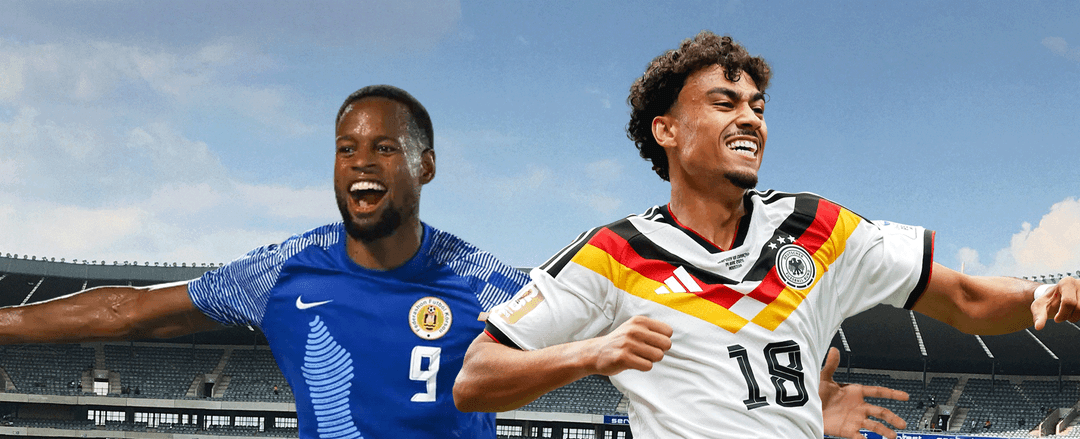
A 7–1 scoreline doesn’t need much explanation. It already tells you that one team controlled the game, punished mistakes, and kept going long after the result looked decided.
But Germany’s win over Curaçao in their opening match of the 2026 World Cup was more interesting than the score alone. It wasn’t just a strong team beating a debutant. It was a match that showed how quickly football can become too fast for a team that is still trying to adjust to the occasion.
Germany won 7–1 at NRG Stadium in Houston, starting Group E with the kind of performance that feels both ruthless and routine. Curaçao, playing their first-ever match at a World Cup, had one historic moment to celebrate: Livano Comenencia scored the country’s first goal at the tournament. For a short time, that equalizer made the match feel alive.
Then Germany raised the speed again.
And once that happened, Curaçao couldn’t keep the game under control.
The opening minutes mattered. Curaçao needed time to settle into the rhythm of a World Cup match, understand Germany’s pressing, calm the ball down, and grow into the game. Germany gave them almost none of that.
In the 6th minute, Florian Wirtz found Felix Nmecha near the left side of the penalty area. Nmecha had enough space to receive, set himself, and bend a shot into the far corner. It was a clean finish, but the goal was built on more than technique. Germany moved the ball quickly enough to force Curaçao into small delays: one defender late to close, one line slow to shift, one moment where the shooter had too much time.
That is often how elite teams create early goals. They don’t always need chaos. They just need to make the opponent process information slightly faster than they’re comfortable with.
For Curaçao, the match had barely started. For Germany, the pattern was already clear: move the ball, find the free player, attack before the defense resets.
At 1–0 down, Curaçao could have collapsed immediately. Instead, they answered.
In the 21st minute, Livano Comenencia scored against Manuel Neuer and gave Curaçao their first-ever World Cup goal. That moment matters even inside a heavy defeat. For a debutant nation, scoring at the World Cup is not a small detail. It becomes part of the country’s football history.
It also briefly changed the emotional shape of the match. Germany were no longer just managing an early lead. Curaçao had shown they could attack, take advantage of a moment, and make Germany feel the game again.
That is one of the strange things about football. A team can lose 7–1 and still have one moment that will be remembered with pride. Curaçao’s equalizer was that moment.
The problem was what came after it.
Germany didn’t panic. They didn’t rush into wild attacks. They simply returned to the same things that had made the opening goal possible: control, speed, movement, and pressure around the box.
The difference between strong teams and elite tournament teams often appears after they concede. Some teams become emotional. They attack too quickly, lose structure, and give the opponent more belief. Germany did the opposite.
They kept the game moving. They kept stretching Curaçao from side to side. They kept asking defenders to make decisions under pressure.
In the 38th minute, Nico Schlotterbeck put Germany back in front with a header after Nathaniel Brown’s cross from the right. Just before halftime, Kai Havertz converted a penalty after a foul on Nmecha inside the box. In less than 25 minutes, Curaçao had gone from a historic equalizer to a 3–1 deficit at the break.
That is the brutal part of playing against a team like Germany. One goal against them doesn’t always change the match. Sometimes it only wakes them up.
By halftime, the game was no longer about whether Curaçao could create one special moment. It was about whether they could survive Germany’s tempo for another 45 minutes.
Germany scored again almost immediately after halftime. In the 47th minute, Jamal Musiala finished from a tight angle after a pass from Joshua Kimmich. That goal was important because it removed any chance of Curaçao starting the second half with fresh belief.
At 3–1, there is still a story. At 4–1, the game starts to feel closed.
From there, Germany became more comfortable and more dangerous. Nathaniel Brown scored in the 68th minute after a clever backheel from Deniz Undav. Undav then scored himself in the 78th minute, finishing into an empty net. Havertz added his second in the 88th minute to make it 7–1.
The goals came in different ways, but the same idea kept repeating. Germany were faster at recognizing space. Faster at reacting to loose situations. Faster at moving after the pass. Faster at turning Curaçao’s defensive stress into chances.
This is what speed of play really means. It is not only running fast. It is thinking early, scanning before the ball arrives, knowing the next option, and acting before the opponent has time to organize.
Curaçao were not simply beaten by Germany’s individual quality. They were beaten by the speed at which Germany connected decisions.
The match also had a historic note for Manuel Neuer. At 40 years and 79 days old, he became the oldest player in Germany’s history to appear at a major tournament. It was also his fifth World Cup, after 2010, 2014, 2018, 2022, and now 2026.
That kind of longevity is not only about physical condition. Goalkeepers survive at the highest level because they read the game, position themselves well, communicate early, and make decisions before situations become emergencies.
Neuer conceding Curaçao’s historic goal will be part of the match story, but his presence also shows the other side of football cognition: experience. Younger players often rely on speed and instinct. Older players survive by recognizing patterns earlier.
That is one reason cognitive skills matter so much in football. The game is fast, but the best players make it feel slower because they see more before the action reaches them.
The obvious lesson is that Germany were much stronger. But for players, coaches, and fans, the more useful lesson is about the moments before the goals.
Before Nmecha’s opener, Germany found space before Curaçao closed it. Before Schlotterbeck’s header, the cross came from a position where the defense was already stretched. Before Musiala’s goal, the pass and run created an angle that left the goalkeeper with little time to react. Before the later goals, Curaçao were not only tired physically — they were mentally overloaded.
That happens in football. When the ball moves faster than the defending team can process, mistakes start to look inevitable. Players stop scanning. They react late. They follow the ball instead of controlling space. They make emergency decisions instead of planned ones.
Germany’s performance was not just a finishing show. It was a demonstration of how pressure accumulates.
One quick attack can be defended. Ten quick attacks force the brain to work harder. By the final stages of the match, Curaçao were no longer solving problems early. They were reacting after the problem had already arrived.
Watching a match like this, it’s easy to focus only on the goals. But the more interesting question is what happened before each finish.
Who scanned first? Who noticed the space? Who reacted to the loose ball? Who stayed calm under pressure? Who made the next decision before receiving?
Brain1 can be used as a short cognitive warm-up for players or even as an active way for fans to engage with a match. The app includes quick games that challenge reaction, attention, memory, inhibition, and decision-making. It doesn’t replace training on the pitch, and it won’t turn anyone into a World Cup player overnight. But it can help you pay attention to the mental side of football: the small skills that appear before the big moments.
Try a short Brain1 session before watching a match, then spend the first 15 minutes looking for decisions that happen before the ball arrives. You’ll start seeing the game differently, link to the app: platform.brain1.com
Germany’s 7–1 win over Curaçao was a statement, but not because one big nation beat a debutant by a huge score. That part was obvious.
The more important story was how the match unfolded. Curaçao had a real moment, scored a historic goal, and briefly brought the game level. Germany responded not with panic, but with control. Then they increased the tempo until the match stopped being competitive.
That is how elite football often works. The gap is not always visible in one touch, one pass, or one sprint. It appears over time, in the speed of repeated decisions.
Germany didn’t just play faster.
They saw faster, decided faster, and forced Curaçao to spend the rest of the match trying to catch up.